
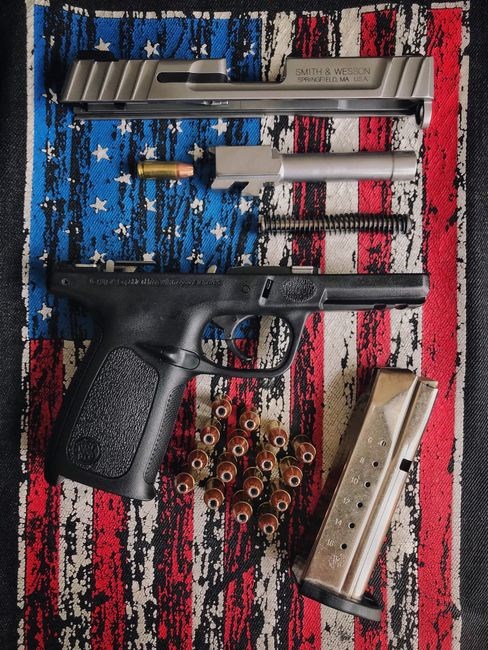
Overview of Tungsten Guide Rods for Glock 34
These heavy tungsten guide rods fit Glock 34 as drop-in units, adding mass to the muzzle for smoother recoil and lower flip․ Their dense construction outperforms plastic counterparts, offering durability and a polished finish in colors like silver, black, and custom hues․ and a sleek matte texture now
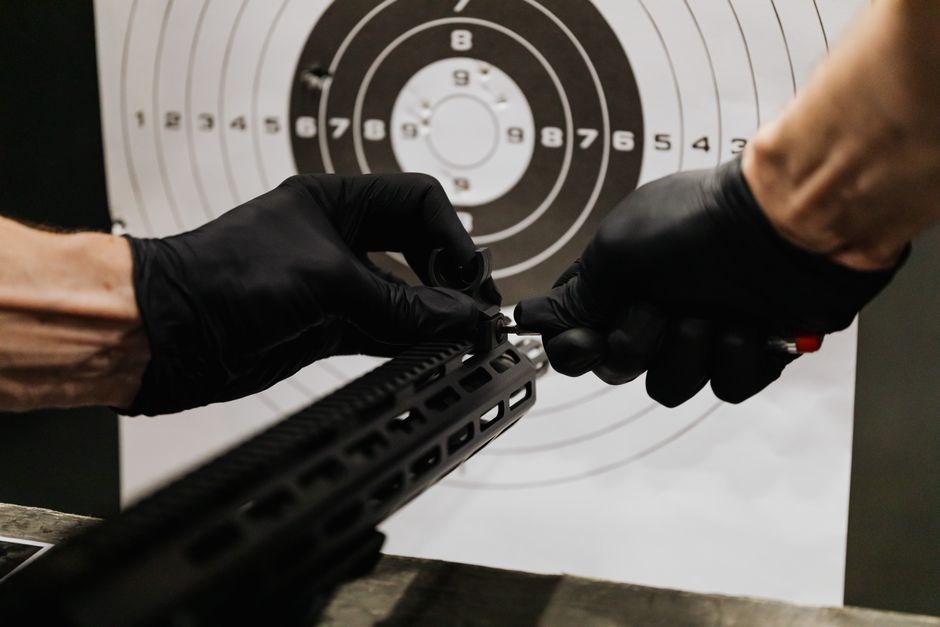
Material Properties of Tungsten
Tungsten’s high density (19․3 g/cm³) and strength give guide rods a massive weight advantage, while its low thermal expansion keeps tolerances tight․ The metal’s corrosion resistance ensures longevity, and its ability to absorb shock reduces recoil impact on Glock 34․ Its hardness resists wear tough
Density and Weight Comparison
Compared to standard plastic guide rods, tungsten’s density of 19․3 g/cm³ translates to a weight increase of roughly 30 % per rod length․ For a Glock 34, this means each rod can add 0․5 lb to the muzzle, a substantial mass that dampens slide momentum․ In contrast, steel rods add about 20 % weight, while polymer rods add less than 5 %․ The heavier tungsten rod not only lowers felt recoil but also improves muzzle stability during rapid fire․ Its high modulus of elasticity ensures that the rod remains rigid under cyclic stress, preventing flex that can degrade accuracy․ Additionally, tungsten’s low thermal expansion coefficient (4․5 × 10⁻⁶ /°C) keeps dimensional tolerances tight across temperature swings, a critical factor for consistent slide travel․ While the cost per rod is higher, the longevity and performance gains justify the investment for competitive shooters․ In practice, users report a noticeable reduction in muzzle flip and a smoother slide return, translating to tighter groupings and faster follow‑up shots․ Moreover, the tungsten guide rod’s mass distribution not only dampens recoil but also improves slide velocity control during rapid fire, enabling shooters to maintain tighter trigger discipline and reduce double‑tap misfires․ Its high thermal conductivity dissipates heat efficiently, preventing warping of the slide or barrel․ Users note the rod’s smooth finish reduces friction against the recoil spring, yielding a more consistent cycling rhythm over thousands of rounds!!

Weight Impact on Recoil and Muzzle Flip
The added tungsten mass increases muzzle weight, counteracting slide momentum and reducing recoil impulse and muzzle flip․ Shooters report smoother slide return and tighter follow‑up shots, especially in rapid‑fire scenarios․ The added mass also dampens slide velocity, shooters follow‑up control now․
Recoil Absorption Mechanics
When a Glock 34 discharges, the slide’s kinetic energy is transferred through the guide rod to the barrel and the rest of the firearm․ Tungsten’s high density and modulus of elasticity allow the rod to act as a rigid, low‑deformation element that resists bending․ This stiffness keeps the slide’s motion linear, reducing oscillation that would otherwise amplify kick․ In addition, the rod’s mass increases the system’s overall inertia, so the slide’s velocity is moderated as it travels rearward․ The friction between the rod’s surface and the slide’s guide channel also dissipates a fraction of the kinetic energy as heat, further softening the felt kick․ Finally, the rod’s weight shifts the center of mass toward the muzzle, creating a counter‑moment that dampens muzzle rise․ Together, these factors provide a smoother slide cycle and a more controllable shooting experience․ The rod’s mass contributes to the system’s moment of inertia, dampening the slide’s angular acceleration and reducing muzzle climb during follow‑up shots․ Additionally, the rod’s surface finish can be engineered to minimize frictional heating, ensuring consistent performance over thousands of rounds․ Manufacturers often use a matte or satin coating that resists oxidation, preserving the rod’s structural integrity and maintaining a low coefficient of friction․ Overall, the combination of high density, stiffness, and controlled surface properties makes tungsten guide rods a superior choice for shooters seeking precision and durability․ More accuracy․ More aim?!
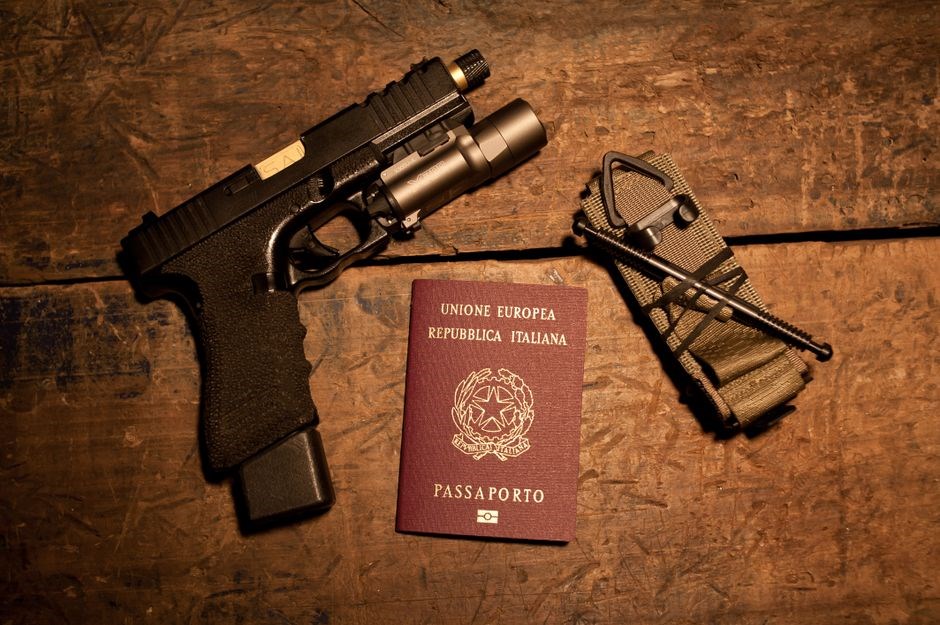
Compatibility with Glock 34 and Related Models
These tungsten rods are engineered for a seamless drop‑in fit on Glock 34, 17, and 41, as well as compatible SIG models․ No gunsmithing is required; the rods slide directly into the existing guide channel, preserving factory tolerances and maintaining reliability․
Installation Ease and Drop-In Fit
Installing the tungsten guide rod on a Glock 34 is a straightforward, no‑tools process․ The rod’s dimensions match the factory guide channel, allowing a simple slide‑in action that locks into place without additional machining or adjustments․ Because the rod is engineered to be a true drop‑in replacement, users can swap it out in minutes, even on the range, without compromising the slide’s structural integrity․ The design eliminates the need for gunsmithing, preserving the Glock’s original tolerances and ensuring reliable feeding and ejection․ Compatibility extends to the Glock 17 and 41, as well as SIG‑style pistols, thanks to the standardized guide geometry․ Users report that the heavy tungsten mass sits flush within the barrel extension, maintaining the slide’s balance while adding the desired recoil‑absorbing weight․ The rod’s surface finishes—available in silver, black, and custom colors—are engineered to resist corrosion and wear, so the installation remains clean and durable over extended use․ Overall, the drop‑in fit offers a hassle‑free upgrade path for shooters seeking improved recoil management without sacrificing the Glock’s proven performance․ Because the rod’s outer diameter matches the factory guide channel, the swap can be performed in under a minute, even during a live‑fire session, and the rod’s spring‑retaining design ensures it stays securely in place without the need for spacers or modifications, it remains compliant with Glock’s original specifications․

Available Finishes and Aesthetic Options
The tungsten guide rod for the Glock 34 is available in a range of finishes that combine performance with style․ A polished silver finish offers a mirror‑like sheen that reflects light and gives the slide a high‑gloss, professional look․ For those who prefer a more subdued appearance, a matte black coating reduces glare and provides a stealthy aesthetic that blends seamlessly with the pistol’s overall design․ A burnt bronze finish delivers a warm, antique feel that can complement a classic or vintage‑styled firearm․ For shooters who want to make a statement, the “zombie green” option provides a bold, unconventional color that stands out in low‑light environments․ In addition, many manufacturers apply a hard‑coat overlay to protect the rod from the high temperatures generated during rapid fire, ensuring the finish remains intact over time․ Some vendors also offer a satin or brushed texture that adds a tactile quality, improving grip during extended shooting sessions․ Custom engraving is another option, allowing users to add serial numbers, logos, or personal monograms directly onto the rod’s surface․ When selecting a finish, consider the operational environment: a weather‑resistant coating can protect against moisture, salt, and dust, extending the life of the aesthetic appeal․ Ultimately, the wide range of finishes and aesthetic options lets users personalize their Glock 34 while maintaining the performance benefits of the heavy tungsten material․ ——!!
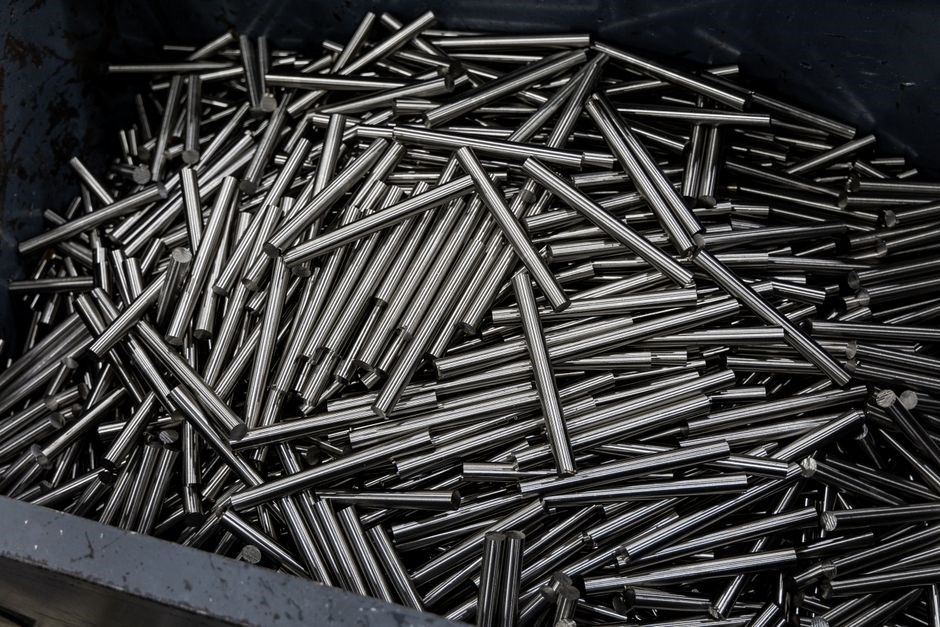
Performance Comparison: Tungsten vs Stainless Steel Guide Rods
Tungsten rods add weight to Glock 34, reducing recoil and muzzle flip more than stainless steel․ They resist corrosion and heat, integrity․ Stainless steel is lighter but offers less damping, making tungsten choice for precision․
Durability of Tungsten vs Plastic Guide Rods
Plastic guide rods, while lightweight and inexpensive, suffer from a range of mechanical shortcomings that become apparent after only a few thousand rounds of use․ The poly, construction is prone to cracking, chipping, and flexing under the repeated recoil, which can lead to feeding or ejection failures that compromise the reliability of the firearm․ In a session, a rod can flex or fracture after a thousand rounds, leading to feeding failures and ejection that compromise reliability․ In contrast, tungsten guide rods are forged from a high‑density alloy that offers exceptional hardness and a modulus of elasticity comparable to that of steel․ This results in a rod that remains rigid and true under the same conditions that would deform a plastic counterpart․ Its high density ensures a slide, reducing jitter during very rapid fire․ Tungsten’s wear resistance keeps the rod’s surface preventing micro‑cracks and reducing jamming risk!! The durability advantage of tungsten translates directly into reduced maintenance downtime and higher confidence in the firearm’s reliability․ The cost premium of tungsten is offset by its longer service life and the elimination of costly field repairs or replacements․ In summary, while plastic guide rods may suffice for casual or budget‑conscious users, tungsten guide rods provide a clear, measurable benefit in terms of durability, reliability, and overall shooting experience․
Market Availability and Pricing Trends
In the current marketplace, tungsten guide rods for the Glock 34 are widely available through major online retailers and specialty gun stores․ The most common vendors list the rods as drop‑in units that fit the Gen‑4 and Gen‑5 models without the need for gunsmithing․ Pricing typically ranges from $120 to $200 USD depending on finish and length․ The standard 6‑inch rod is priced around $140, while the extended 8‑inch version can reach $170․ Premium finishes such as “Zombie Green” or “Burnt Bronze” add an extra $10–$20 to the base price․ Inventory levels fluctuate with demand; during peak shooting seasons, sellers often report back‑orders of 2–3 weeks for the most popular colors․ In addition to retail, the secondary market on auction sites can offer lower prices, but buyers must verify authenticity and condition․ Some manufacturers offer bulk discounts for dealers, reducing the unit cost by up to 15 %․ Shipping costs vary by region, with standard domestic shipping averaging $15, while expedited options can exceed $30․ Overall, the market remains competitive, with a steady supply of new rods and a growing number of aftermarket options that provide a balance between performance and cost․ Consumers now! who prioritize precision and longevity often choose the tungsten option, citing its superior resistance to wear,ability to maintain consistent slide dynamics over extended use confidence it imparts during competitive scenarios all of which justify the premium price point․
User Experience and Testimonials
Gun owners who swapped the standard plastic guide rod for a tungsten version on their Glock 34 report a noticeable reduction in felt recoil and muzzle rise․ A competitive shooter noted that the heavier rod “keeps the slide in a more predictable rhythm, allowing for quicker follow‑up shots․” A long‑time civilian enthusiast praised the rod’s durability, saying that after 10,000 rounds the guide rod shows no signs of wear, unlike the plastic counterpart that had begun to flex․ A tactical operator highlighted the rod’s resistance to impact damage; the guide rod survived a dropped firearm without visible deformation, whereas a plastic rod would have cracked․ Users appreciate the aesthetic options, with several describing the matte black finish as a “clean look” that complements the Glock’s design․ Overall, the consensus is that the tungsten guide rod improves shooting comfort and reliability, especially in high‑volume scenarios in practice for most shooters everywhere and today for all users who shoot and fire!!! These testimonials collectively demonstrate that the tungsten guide rod is a worthwhile upgrade for shooters seeking both performance and longevity!!!!
Installation and Maintenance Guidelines
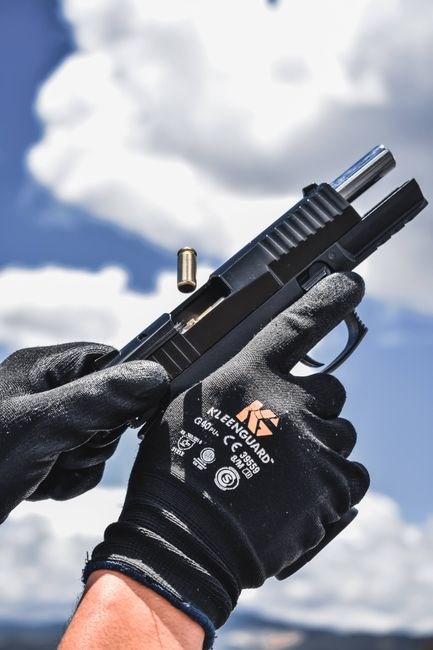
Installing a tungsten guide rod on a Glock 34 is a drop‑in process that requires no gunsmithing․ Remove the plastic rod, slide the new tungsten rod into the channel, load the recoil spring, and re‑insert the barrel․ Close the slide and fire a few rounds to confirm proper seating and smooth cycling․
Maintenance focuses on cleanliness and inspection․ Clean the rod and channel with compressed air or a soft brush after each session․ Inspect the rod for cracks or dents; tungsten is durable, but damage can affect recoil absorption․ Replace the rod immediately if damage is found․ Store the firearm in a dry, climate‑controlled environment to avoid moisture that could corrode the spring or mounting surfaces․
- Remove the guide rod and clean the channel with compressed air․
- Inspect the rod for visible damage and verify the spring is intact;
- Re‑insert the rod, ensuring it is fully seated․
- Re‑install the recoil spring and slide the barrel back into the frame․
- Check for proper alignment and perform a short test firing sequence․
Follow the torque specs when tightening the slide to avoid over‑tightening․ Regularly inspect the guide rod channel for debris and clear it with a brush or compressed air․ By following these steps, you can ensure optimal performance, longevity, and reliability of the tungsten guide rod in your Glock 34, providing a smoother shooting experience and reduced recoil for extended sessions!!!
Safety and Legal Considerations
Welding tungsten rods is safe with proper ventilation and protective gear․ Legally, they are non‑restricted accessories, but local laws may limit heavy modifications․ Verify state regulations and keep the rod within manufacturer specs to avoid legal issues!!!․
Legal Restrictions on Tungsten Modifications
Tungsten guide rods are considered non‑regulatory accessories under federal law, but state statutes vary․ In most U․S․ jurisdictions, adding a heavy tungsten rod to a Glock 34 does not alter the firearm’s classification, provided the rod is not part of a barrel or muzzle device that changes the weapon’s effective range or velocity․ Some states impose limits on overall firearm weight or require that any modification not exceed the original factory specifications․ For example, California’s “heavy‑gun” rule prohibits firearms that weigh more than 20 lb when fully loaded, and the state’s “modification” statutes forbid alterations that increase a handgun’s effective range beyond 50 ft․ States like Texas and Florida have no specific weight restrictions, but they enforce general safety and tamper‑proofing requirements; a welded or permanently attached guide rod must be removable or documented to avoid being classified as a “modified” weapon under the state’s “tamper‑proof” provisions․ Federal law also prohibits the sale of firearms altered to exceed the 10‑round capacity of a standard Glock 34, but tungsten rods do not affect capacity․ The only federal restriction that might apply is the “Tactical” or “Muzzle‑device” regulation: if the rod is combined with a suppressor or muzzle brake that changes muzzle velocity or sound signature, the weapon may be classified as a “Tactical” firearm, subject to the National Firearms Act (NFA) and requiring a tax stamp․ Additionally, the ATF requires that any modification changing effective range or muzzle velocity be reported and may require an NFA registration․ The International Firearms Control Act (IFCA) prohibits exporting modified firearms that exceed certain weight or performance thresholds, so if you plan to ship a tungsten‑rod‑modified Glock 34 abroad, you must obtain the appropriate export license․ In summary, tungsten guide rods are generally legal as non‑regulatory accessories, but owners should verify state‑level weight and modification limits, ensure the rod does not alter effective range or velocity, and comply with any NFA or export requirements that may arise from combined accessories․ Consult an attorney before installation․