
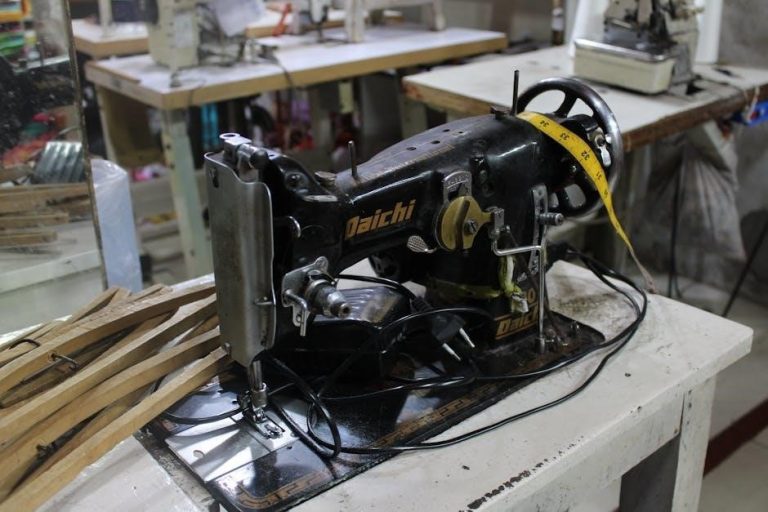
Brother sewing machines offer reliable performance, and this manual guides you through setup, operation, and maintenance. It details intended use and recommended accessories.
Understanding your machine’s capabilities, as outlined in this instruction guide, ensures optimal sewing results and prolongs the life of your Brother machine.
This manual provides essential safety instructions and troubleshooting tips for a seamless sewing experience with your new Brother sewing machine.
Understanding the Manual’s Purpose
This Brother sewing machine manual serves as your comprehensive guide to unlocking the full potential of your machine. It’s meticulously designed to provide clear, step-by-step instructions, ensuring both beginners and experienced sewers can operate their machine safely and effectively.
The manual details the machine’s intended use, emphasizing adherence to recommended accessories for optimal performance. It’s not merely a set of instructions; it’s a resource for understanding the intricacies of your specific Brother model, from basic sewing operations to advanced techniques.
Furthermore, the manual prioritizes safety, outlining crucial instructions to prevent accidents and maintain the longevity of your machine. Accessing online manuals and the Brother Solutions Center supplements this physical copy, offering additional support and resources. It’s a vital tool for a successful sewing journey.
Safety Instructions
Prioritize safety when operating your Brother sewing machine. Always disconnect the power supply before threading, changing the needle, or performing any maintenance. Never force the fabric; let the machine do the work, avoiding potential injury.

Keep fingers away from the needle area during operation. Do not sew over pins or thick materials, as this can damage the needle and machine. Ensure the machine is stable and on a level surface before use.
This manual emphasizes avoiding pushing or pulling fabric while sewing. Regularly inspect the power cord for damage and never operate the machine if it’s faulty. Children should never operate the machine unsupervised. Following these instructions ensures a safe and enjoyable sewing experience.
Getting to Know Your Machine
Familiarize yourself with the Brother sewing machine’s components, key parts, and operation. This section details machine features for effective use.
Understanding each element ensures proper functionality and allows you to maximize your sewing potential with this versatile machine.
Machine Components Overview
Your Brother sewing machine is comprised of several key components working in harmony to create beautiful stitches. The main body houses the internal mechanisms, providing a stable framework for all operations. The needle bar, driven by the motor, moves the needle up and down, forming the stitch.
The presser foot applies pressure to the fabric, ensuring even feeding. The feed dogs, located beneath the presser foot, move the fabric forward with each stitch. The bobbin case and bobbin work together to create the interlocking stitch. The tension discs control the thread tension, crucial for balanced stitches.
Additionally, the handwheel allows for manual control of the needle, while the stitch selector dial enables you to choose from various stitch patterns. Understanding the function of each component is vital for successful sewing and proper machine maintenance.
Identifying Key Parts (Needle, Presser Foot, Bobbin)
The needle, a crucial component, pierces the fabric to create stitches; ensure it’s correctly sized for your fabric type. The presser foot holds the fabric firmly against the feed dogs, guiding it during sewing – different feet exist for specialized tasks.
The bobbin, a small spool, holds the lower thread, interlocks with the upper thread to form the stitch. Locate the bobbin winder for easy bobbin filling. Correct bobbin insertion is vital for proper stitch formation.
Familiarize yourself with each part’s location and function. Refer to your manual for specific diagrams and instructions. Proper identification and understanding of these key parts will greatly enhance your sewing experience and prevent common issues.
Powering On and Off
Brother sewing machines typically feature a simple power switch, often located on the right side of the machine. To power on, locate the switch and move it to the “On” position – a light will illuminate, indicating power. Always ensure the machine is connected to a grounded electrical outlet.
When finished sewing, always turn the machine off by moving the power switch back to the “Off” position. Disconnecting the power cord from the outlet is recommended for extended periods of non-use or during maintenance.
Never force the switch. Refer to your specific manual for the exact location and operation of the power switch, as designs may vary between models. Safe powering on and off is crucial for machine longevity.
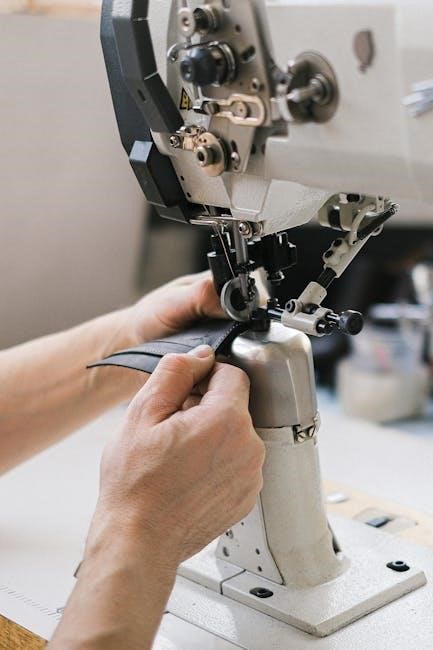
Basic Sewing Operations
Mastering fundamental techniques like bobbin winding, threading, and bobbin insertion are essential first steps for successful sewing with your Brother machine.
These core operations, detailed in your manual, establish a solid foundation for all your sewing projects and creative endeavors.
Winding the Bobbin
Preparing to Wind: Begin by placing the spool of thread onto the spool pin, securing it with the spool cap. Ensure the thread flows smoothly from the spool. Next, guide the thread through the thread guides designated for bobbin winding, as illustrated in your manual.
Winding Process: Following the diagram, wrap the thread several times around the bobbin by hand, then engage the bobbin winder by sliding the bobbin winder lever to the correct position. Gently press the foot pedal to start winding.
Automatic Stop: Your Brother machine is equipped with an automatic stop feature; it will halt when the bobbin is full. Disengage the bobbin winder, remove the bobbin, and trim the thread end. Proper winding ensures even stitches and prevents thread issues during sewing.
Threading the Machine
Initial Setup: Ensure the machine is turned off and the presser foot is raised before threading. This releases the tension discs, allowing the thread to pass through easily. Begin by placing the spool of thread on the spool pin, securing it with a spool cap.
Following the Path: Refer to the threading diagram in your manual. Guide the thread through each numbered guide, ensuring it enters the tension discs correctly. Then, lead the thread through the take-up lever and finally, through the needle clamp.
Needle Threading: Thread the needle from front to back. A needle threader can be helpful. Pull a sufficient length of thread through the needle – approximately 3-4 inches. Incorrect threading can cause skipped stitches or tension problems.
Inserting the Bobbin
Bobbin Orientation: After winding, ensure the bobbin is oriented correctly for insertion, as detailed in your manual. Most Brother machines utilize a horizontal or vertical bobbin system; the direction matters.
Accessing the Bobbin Case: Locate the bobbin case cover – typically on the front or side of the machine. Open the cover to reveal the bobbin area. Gently insert the bobbin into the bobbin case, following the threading path indicated by arrows or diagrams.
Thread Guidance: Draw up the bobbin thread by holding the needle thread lightly and turning the handwheel towards you. Ensure the bobbin thread is properly engaged with the tension spring. Incorrect insertion leads to uneven stitches.
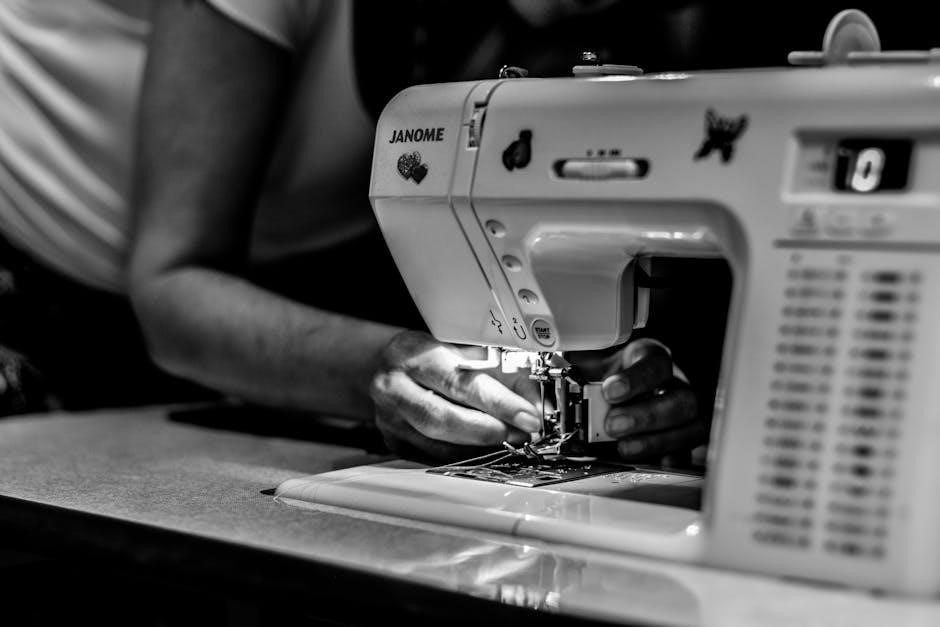
Stitch Selection and Adjustment
Brother machines offer diverse stitch options; consult your manual for details. Adjust stitch length and width using dedicated dials for customized sewing.
Always test your chosen stitch on scrap fabric before starting your project to ensure optimal results and prevent errors.
Understanding Stitch Types
Your Brother sewing machine offers a variety of stitch types, each designed for specific applications. The manual details straight stitches, ideal for general sewing and constructing garments. Zigzag stitches provide flexibility for finishing raw edges, creating decorative elements, and sewing stretch fabrics.
Buttonhole stitches automate the process of creating professional-looking buttonholes, ensuring consistent size and placement. Decorative stitches add embellishments and personalized touches to your projects. Understanding the purpose of each stitch is crucial for achieving desired results.
Refer to the stitch diagram in your manual to identify each stitch and its recommended settings. Experiment with different stitch types on scrap fabric to familiarize yourself with their capabilities and effects. Proper stitch selection enhances both the functionality and aesthetic appeal of your sewing projects;
Adjusting Stitch Length and Width
The Brother sewing machine manual explains how stitch length and width significantly impact the appearance and strength of your seams. Stitch length is measured in millimeters and determines the distance between each stitch. Shorter stitch lengths are ideal for delicate fabrics and intricate details, while longer lengths are suitable for heavier materials and quicker sewing.
Stitch width controls the zigzag pattern’s breadth. Narrow widths create a dense, secure stitch, while wider widths offer greater stretch and decorative potential. Adjust these settings using the designated dials or buttons on your machine, referencing the manual for specific locations.
Always test your chosen settings on a scrap fabric before sewing your project. This ensures the stitch looks as intended and provides adequate seam strength. Fine-tuning these adjustments is key to achieving professional-quality results.
Test Sewing
Before embarking on your project, the Brother sewing machine manual strongly recommends performing a test sew. This crucial step verifies your machine is correctly threaded, the bobbin is properly inserted, and your stitch selections are accurate. Use a scrap piece of fabric similar to your project material for the most reliable results.
Sew a straight line, then a zigzag stitch, observing the stitch quality. Check for even tension, consistent stitch length, and no skipped stitches or fabric puckering. Adjust stitch length and width as needed, referencing the manual for guidance.
Testing allows you to identify and resolve any issues before they impact your final product, saving time and frustration. It’s a simple yet vital practice for achieving professional-looking seams.

Advanced Sewing Techniques
Explore diverse presser feet and fabric types with your Brother machine. The manual details troubleshooting for common issues, enhancing your sewing skills.
Mastering these techniques unlocks creative potential and expands your project possibilities, as detailed in the instruction guide.
Using Different Presser Feet
Brother sewing machines offer a variety of presser feet, each designed for specific sewing tasks. Your manual details these options, expanding your machine’s versatility.
The standard zig-zag foot is ideal for general sewing, while the buttonhole foot simplifies creating professional-looking buttonholes. A zipper foot allows precise stitching close to zipper teeth, and a blind hem foot creates nearly invisible hems.
Quilting and darning feet are available for specialized projects, and a walking foot assists with evenly feeding multiple fabric layers. Refer to your instruction manual for proper foot attachment and usage. Experimenting with different feet unlocks new creative possibilities, allowing you to tackle a wider range of sewing projects with confidence and precision.
Always ensure the correct foot is installed for the desired stitch and fabric type to achieve optimal results.
Sewing Different Fabric Types
Your Brother sewing machine can handle a wide range of fabrics, but adjustments are crucial for optimal results. The manual provides guidance on settings for various materials.
For lightweight fabrics like silk or chiffon, use a fine needle and reduce the presser foot pressure. Medium-weight cottons and linens generally require a universal needle and standard settings. Heavier fabrics, such as denim or canvas, necessitate a heavier needle and increased presser foot pressure.
Always test on a scrap piece of fabric before starting your project. Adjust stitch length and tension as needed. Using the correct needle and thread type is also vital. Refer to your instruction manual for specific recommendations for each fabric type, ensuring beautiful and durable seams.
Slow and steady sewing is key when working with challenging materials.
Troubleshooting Common Sewing Problems
Even with careful operation, occasional sewing issues can arise. Your Brother sewing machine manual offers solutions to frequent problems. Thread bunching often indicates incorrect threading or tension adjustments – re-thread the machine and check the tension dial.
Skipped stitches can be caused by a dull or incorrect needle; replace it with the appropriate type for your fabric. Fabric puckering suggests the tension is too tight or the needle size is too small.
If the machine jams, stop immediately, raise the presser foot, and carefully remove the fabric. Consult the manual’s troubleshooting section for detailed guidance and diagrams. Regular maintenance, as described within, can prevent many issues.
Don’t force anything; gentle troubleshooting is best.

Maintenance and Care
Brother recommends regular cleaning, oiling, and needle replacement to maintain peak performance. Refer to your manual for detailed instructions.
Consistent care extends the life of your machine and ensures consistently high-quality sewing results.
Cleaning Your Sewing Machine
Regular cleaning is crucial for maintaining your Brother sewing machine’s performance and longevity. Always power off and disconnect the machine before cleaning. Use a soft brush or cloth to remove lint and dust from the bobbin area, feed dogs, and surrounding components.
A small vacuum cleaner with a brush attachment can effectively remove debris from hard-to-reach areas. Avoid using compressed air, as it can blow dust further into the machine. Wipe down the exterior surfaces with a slightly damp cloth. Never use abrasive cleaners or solvents, as they can damage the finish.
Pay close attention to the needle plate and surrounding area, ensuring it’s free of thread fragments and lint. Consistent cleaning prevents build-up that can cause jams and affect stitch quality. Refer to your Brother sewing machine manual for specific cleaning instructions related to your model.
Oiling and Lubrication
Proper lubrication ensures smooth operation and prevents wear on your Brother sewing machine. Consult your manual to identify specific oiling points, as over-oiling can attract dust and cause problems. Use only sewing machine oil – never use oil intended for other purposes.
Apply a small drop of oil to the designated areas, such as the bobbin case, hook assembly, and presser bar. Operate the machine slowly for a few minutes to distribute the oil evenly. Wipe away any excess oil to prevent staining fabric.
Regular oiling frequency depends on usage; frequent users should oil more often. Avoid disassembling the machine for oiling unless specifically instructed in the manual. Following these guidelines will maintain optimal performance and extend the life of your Brother sewing machine.
Replacing the Needle
A dull or damaged needle can cause skipped stitches, fabric puckering, and even machine damage. Regularly inspect your needle and replace it when necessary, as outlined in your Brother sewing machine manual. Always use the correct needle type and size for your fabric.
To replace the needle, power off and unplug the machine. Loosen the needle clamp screw and remove the old needle. Insert the new needle with the flat side facing the back of the machine. Ensure it’s fully inserted and tighten the clamp screw securely.
Dispose of used needles safely to prevent injury. Refer to your manual for specific needle recommendations and replacement procedures for your Brother model.
Repair and Troubleshooting
This section of the manual details checking points and adjustments for common issues. It provides guidance for diagnosing and resolving sewing machine problems.
Consult this instruction guide before seeking professional repair, as many issues can be easily addressed with simple troubleshooting steps.
Checking Points
Before attempting any repairs, systematically check several key areas. First, ensure the machine is powered off and unplugged for safety. Next, verify the power cord is securely connected and the outlet is functioning correctly.
Then, inspect the needle for bends, damage, or incorrect installation – a damaged needle is a frequent cause of issues. Also, confirm the bobbin is wound correctly and inserted properly, as improper bobbin threading leads to tension problems.
Further, examine the thread path for obstructions or tangled thread. Additionally, check the presser foot is lowered during sewing, as this engages the feeding mechanism. Finally, review the stitch settings to ensure they are appropriate for the fabric and desired stitch type, referencing the manual for guidance.
Adjusting Machine Settings
Proper adjustment of your Brother sewing machine is crucial for optimal stitch quality. Begin by referencing the manual to understand each setting’s function. Adjust the stitch length dial to control the density of stitches; shorter lengths for delicate fabrics, longer for heavier materials.
Similarly, modify the stitch width to alter the zigzag pattern’s breadth. Experiment with tension settings – upper tension controls thread flow from the spool, while bobbin tension affects the underside. Incorrect tension causes looping or puckering.
Fine-tune these settings using scrap fabric, observing the stitch formation. Consult the manual’s troubleshooting section for guidance on resolving common issues. Remember to make small adjustments incrementally, testing after each change for best results.

Resources and Support
Access online manuals via the Brother Solutions Center for your model. Find helpful FAQs, troubleshooting, and downloadable resources for your sewing machine.
Brother’s support team is readily available to assist with any questions or concerns regarding your machine’s operation and maintenance.
Accessing Online Manuals
Brother provides convenient access to a comprehensive library of manuals directly through their official website. To begin, navigate to the Brother Solutions Center – a central hub for support resources. From there, locate and click on the “Manuals” section, often categorized for easy browsing.
You can search for your specific sewing machine model using keywords or model numbers. Brother categorizes manuals, allowing you to refine your search. Once found, manuals are typically available for immediate download in PDF format, ensuring compatibility across various devices.
These online manuals mirror the printed versions, offering detailed instructions, diagrams, and troubleshooting guidance. Regularly checking the Brother website ensures you have the latest version of your machine’s manual, including any updates or revisions.
Brother Solutions Center
The Brother Solutions Center is your primary online resource for all Brother sewing machine support needs. It’s a centralized platform offering a wealth of information, including frequently asked questions, troubleshooting guides, and downloadable resources.
Within the Solutions Center, you’ll find direct access to manuals for a vast range of Brother sewing machine models. Beyond manuals, the center provides video tutorials demonstrating various sewing techniques and machine maintenance procedures.
Brother’s support team also utilizes this platform to share helpful tips, software updates, and driver downloads. The Solutions Center is designed to empower users with self-service support options, ensuring a smooth and efficient experience with your Brother sewing machine.